- +31-624-845-535
- info@plabottles.eu
- in need of compostable packaging?
- Let's connect
PLA and the circular economy
PLA and the circular economy, so-called “waste streams” and products at the end of their useful life form the basis for new ones products, instead of being thrown away. This lake comprehensive, sustainable approach replaces the linear one economy with a circular, biobased economy in which products are made from sustainable, natural resources and are reused and recycled as much as possible. At the end of their lives, these products then have a range of possibilities transform them back into raw material for new, added value product life cycles.
Multiple end-of-life options:
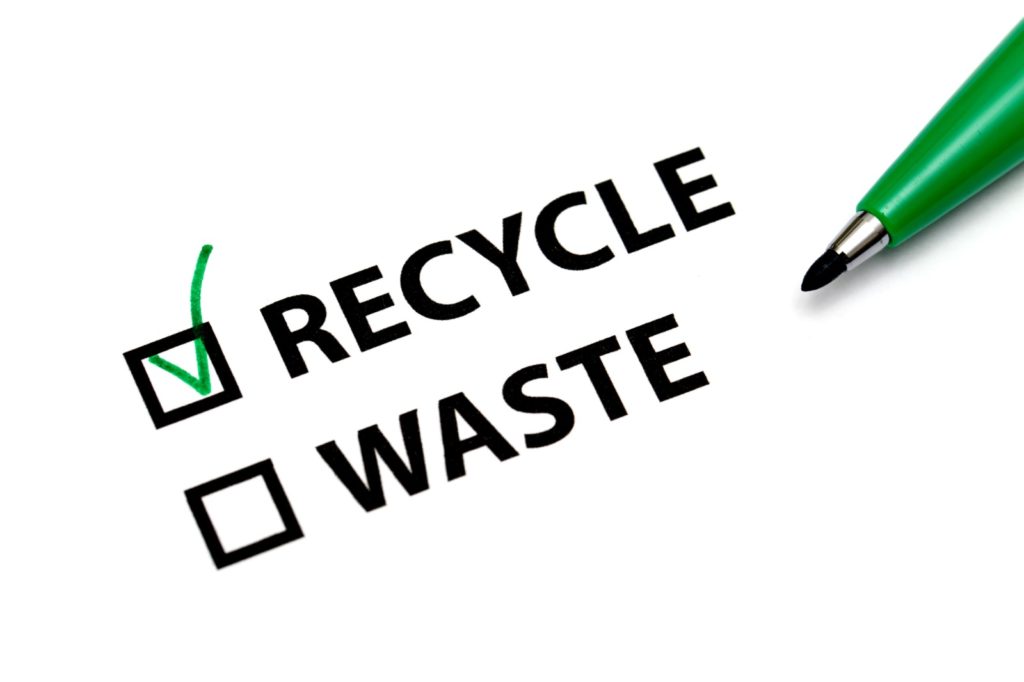
- Recycle and reuse
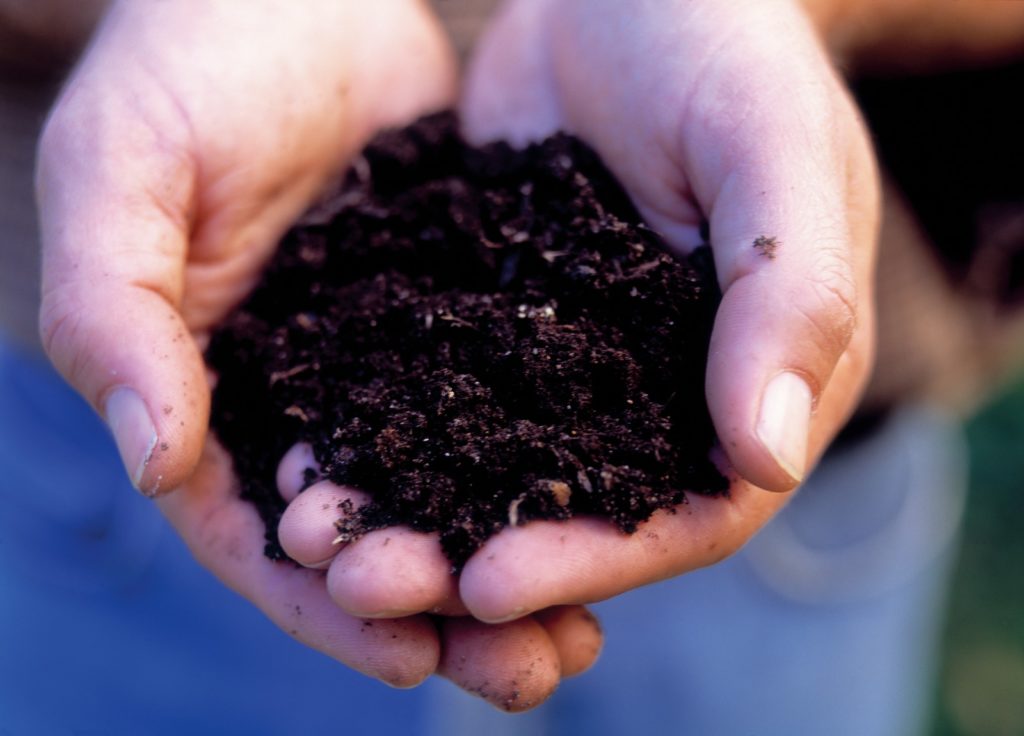
- Compost/biodegrade
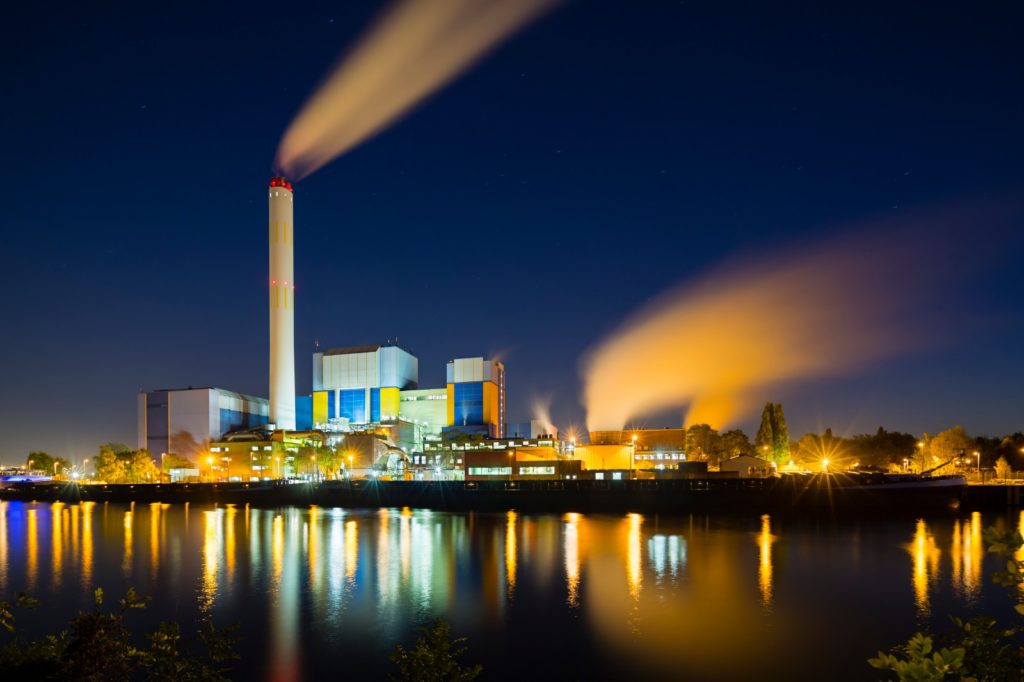
- Incineration/renewable energy recovery
- Anaerobic digestion
- Feedstock recovery
Low cabon/ CO2 footprint
PLA bioplastics offer a significantly reduced carbon footprint versus traditional oil-based plastics. This is important for the health of our planet and is a growing concern among consumers, who are increasingly critical of the sustainability aspects of their purchases. As media attention grows and regulatory activity accelerates, biocontent in plastic will become an increasingly relevant issue for producers to address.
We distribute our biodegradable water bottles only within “closed-loop” venues, whereby used containers are collected on-site and undergo proper end-of-life processing. Our goal is to get 90% of the PLA bottles back after use, 90% of the time. Collecting the PLA bottles and send them to the right end of life option.
The Bottle model digester
The onside composting machine is a patented commercial biodigester that decomposes our compostable plastic water bottles and all food waste within 24 – 48 hours.
The onside composting machine reduces the mess, cost, and inconvenience of disposing of waste food. Instead of sending waste food to the landfill where it decomposes into methane, you can cleanly and safely break down our PLA biodegradable water bottles on site.